Step by step · 5 min read
How to Choose the Perfect Gift by Personality
By Lucía Fernández · · updated on
Choose a gift by matching what the person enjoys, needs or has asked for with something they can easily use. Their personality can suggest a direction, but their actual preferences, schedule and home should decide the final choice.

Before you buy: remember what they actually said
A lovely gift often begins with an ordinary sentence: “I wish I had a decent reading light,” or “I’d love to try that pottery class.” You do not need to surprise someone with an entirely new version of themselves. Remembering a small wish can feel wonderfully personal.
The American Psychological Association describes personality as a complex combination of characteristics, interests, values and behaviour. That is a useful reminder that one word, such as “outgoing” or “practical,” cannot tell you everything about a person.
Before opening a shop, write down three clues: something they enjoy, something they have mentioned wanting, and something they would rather avoid. “Loves cooking, wants a sharper knife, dislikes crowded classes” gives you a much clearer starting point than “foodie.”
Use personality as a starting point
You may recognise terms from the Big Five model. For everyday gift choices, however, you need no score or test. An adventurous friend may enjoy a familiar meal after a demanding month; a quiet relative may be delighted by tickets to their favourite band.
Use the following questions to turn a general impression into a useful decision. These are practical prompts, not a psychological assessment.
| What you know | A possible gift | What to check |
|---|---|---|
| They enjoy making things | A class or supplies for their current project | Skill level, preferred materials and available dates |
| They value everyday usefulness | A requested replacement or upgrade | Exact size, model and compatibility |
| They keep family memories | A small album with captions | Which photographs they would like included |
| They love shared time | A meal or outing together | Travel, company, accessibility and other costs |
Gift ideas for different interests and personalities
For someone who enjoys new experiences
Think about the kind of novelty they choose for themselves. A person who loves trying new food might welcome a cooking workshop; someone who explores local footpaths may prefer a planned walk and picnic. Neither clue means they want an expensive trip or a physically demanding activity.
Before booking, check dates, travel time, accessibility and whether they can bring someone. A voucher that requires a long journey and several extra purchases can become a task. If you are uncertain, offer two specific options and let them choose.
For someone with a strong sense of style
Notice exact preferences: a particular glaze, a favourite notebook size, the colour they repeatedly wear. A small item that fits those preferences may be more welcome than a larger decorative object they have nowhere to put.
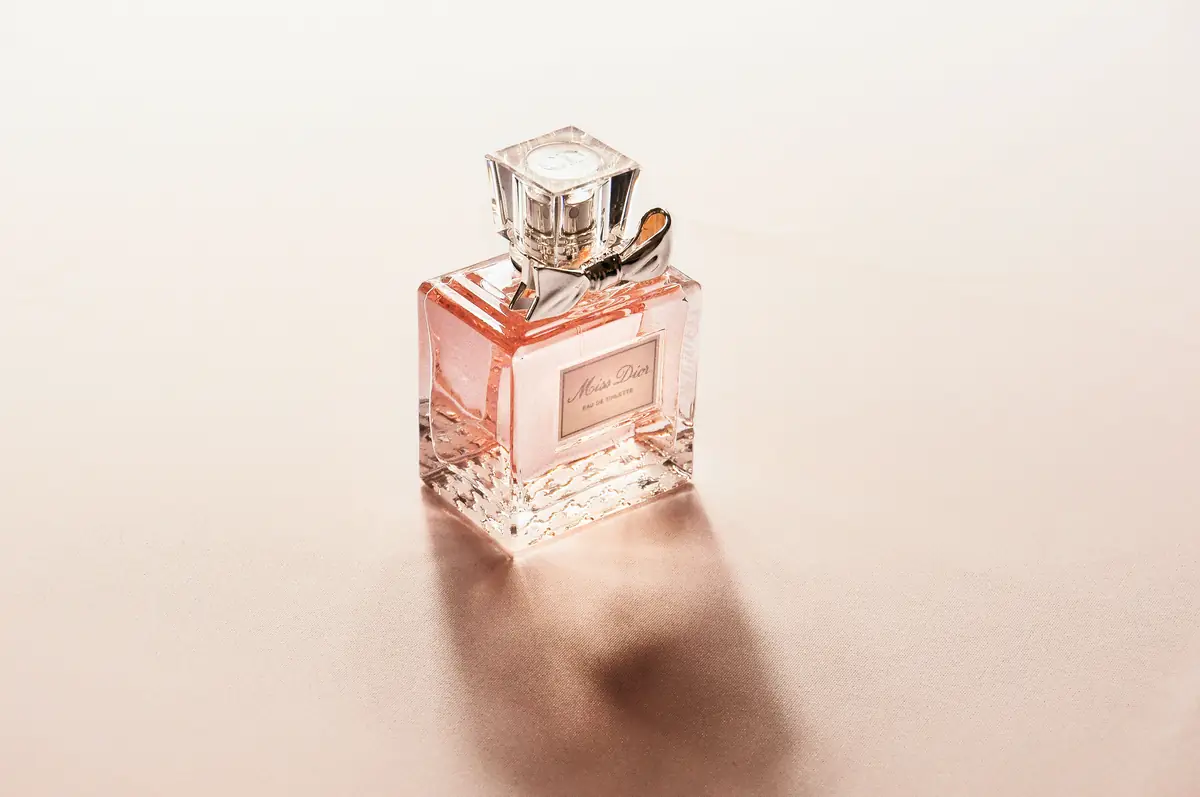
Perfume is a good example of why detail matters. Knowing someone likes fragrance does not tell you which scent or concentration they use. Ask for the exact name, choose an exchangeable option or leave that category for another occasion.
For someone who appreciates practical gifts
Start with a problem they have named. A replacement charger with the right specification, the lunch container they selected, or a repair they have agreed to can be thoughtful. Check measurements and compatibility before buying; an attractive object that does not fit is still inconvenient.
Practical does not mean joyless. Add a short note explaining what you remembered: “You mentioned your coffee gets cold on the train.” If you know little about their routine, our guide to What to give when you don’t know the person well: safe and stylish options helps narrow the choice.
For someone who treasures memories
Choose a manageable, specific memory. Six printed photographs with dates and one sentence each can be more personal than a huge unfinished album. A recipe written in a relative’s handwriting or a map of a meaningful walk can also work beautifully.
Be thoughtful about sensitive occasions. A memorial gift or public slideshow can stir feelings the recipient may prefer to keep private. Ask before sharing personal photographs widely, and give them space to respond in their own way.
For someone who loves learning
Find out what they are interested in now. A beginner may enjoy a short introduction, while an experienced hobbyist may already own the obvious book or equipment. A museum visit, a carefully chosen title or a contribution toward a course they selected can all be useful.
If psychology itself is their interest, the Psychometrics Centre at the University of Cambridge offers research and resources on psychological measurement. It is background reading for a curious person, rather than evidence that a particular product suits a personality type.
For someone who enjoys bringing people together
A shared meal, a game suited to their group or tickets for an agreed outing can celebrate that part of their life. Do some of the organising yourself. Being handed a “gift” that requires hosting twelve people, buying food and cleaning afterwards may feel like extra work.
Ask whether they want a group celebration or a smaller visit this time. If the occasion is a birthday, our birthday surprise ideas on a budget include ways to make shared time feel special without a large spend.
For someone who prefers a quieter celebration
Offer comfort in a form you know they enjoy: a particular tea, a book they mentioned, or an afternoon together without a packed schedule. Quiet preferences do not automatically mean neutral colours, candles or journals. Let their taste lead.
If they say they want no gifts, take that seriously. Ask whether a card or a visit would be welcome. Respecting the boundary is itself a considerate response.
Set the budget, then add one personal detail
Choose a total you can comfortably afford before comparing products. For an illustrative €30 limit, you might allow €24 for the gift, €4 for delivery and €2 for a card. These are planning figures, not market prices; the point is to include the costs that otherwise appear at checkout.
Keep the receipt and check that the recipient can exchange an unsuitable size or colour. For timing purchases, read Promotion guide: when to buy gifts to save money without losing quality.
My practical tip: write one sentence on the card explaining why you chose this particular gift. “For the Sunday walks you keep telling me about” feels warmer than a long, generic message. You have already done the thoughtful part; let them see it.
Frequently asked questions
Is it better to give an experience or an object?
It depends on the person’s personality and where they are in life. Experiences work very well for people who are adventurous, sociable or curious. Objects are better when you know a specific need, a clear aesthetic taste or a daily routine you can improve. In both cases, the key is that the gift should be easy to enjoy.
How do you get it right with someone who says they want nothing?
Respect the message and avoid overwhelming them. Go for something low-key: a home-cooked meal, a letter, a quiet invitation, something consumable or a donation to a cause they care about if you know it fits their values. Sometimes the best thing is to be there gently, without forcing a celebration.
When should you ask directly?
When the gift involves expense, size, schedule, very personal preferences or space at home. Asking does not spoil the surprise if you do it tactfully. You can offer two or three options, or say: “I want to give you something you’ll actually use; would you rather have an experience, something for the home or something personal?”. The surprise can be in the way you give it.
What turns a good gift into an unforgettable one?
Emotional precision. An unforgettable gift connects with a real part of the person: the way they rest, celebrate, learn, care or dream. It does not need to be perfect for everyone; it needs to be perfect for someone. That is the difference between ticking a box and truly surprising them.
Keep reading
Guide · 5 min read
Promotion guide: when to buy gifts to save money without losing quality
January sales, Black Friday and VAT-free days do not all work the same way. When to buy each type of gift and how to tell if the…
Diary · 5 min read
Original ideas to surprise someone on their birthday without spending too much
A good birthday does not depend on the budget. A simple dinner, a handwritten note or a short outing can work better than a…
Explainer · 6 min read
What to give when you don’t know the person well: safe and stylish options
When you hardly know someone, the safest choice is something useful, good quality and easy to exchange. Options that work for colleagues, hosts and…